Pavers in west Bradenton, where the neighborhoods came before the interstate
Manatee Avenue and Cortez Road run west out of downtown toward the bay and the beach bridges, and the streets between them filled in decades ago. That is the whole case for pavers in west Bradenton: a great many original driveways and builder-grade patios reaching the end of their working lives at the same time.
The side of town with the most to replace
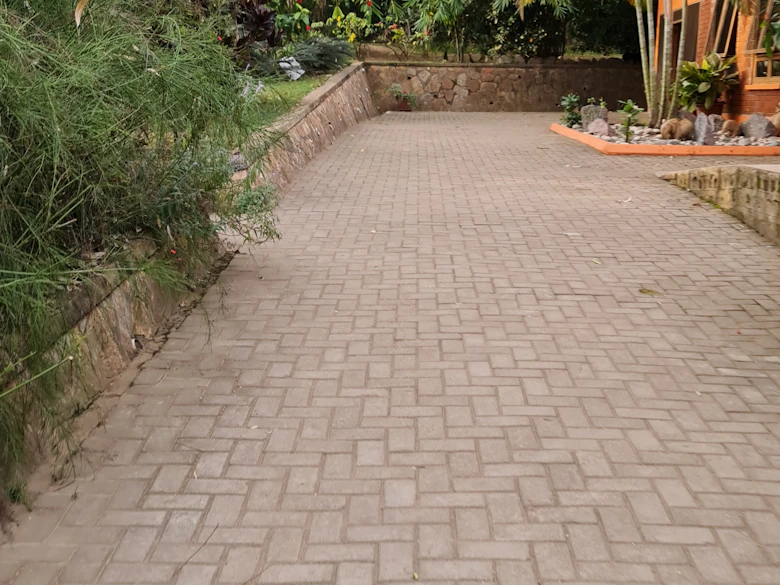
West of downtown the housing runs to mid-century ranches on quiet grids, waterfront streets along Palma Sola Bay, and the older subdivisions that filled the gaps between the two main roads. Most of them were handed over with the same thing out front: a plain rigid driveway that has since been patched more than once, and a lanai pad out back that was never meant to be the whole patio. The calls split the way you would expect. Driveway replacement leads — out with the cracked and stained, in with a paver field that suits a house with some years on it — and patio extensions follow close behind. On lots where the pool went in with the house, the deck around it is usually the next thing an owner wants put right.
Bay-side ground, and what it means for the base
The closer a street sits to Palma Sola Bay and the Gulf approach, the more the ground behaves like beach: sandy, quick to drain on a dry day, and sitting on a water table that rises to meet the summer rain. Rigid surfaces crack over ground like that, which is why so many west-side driveways look the way they do. Pavers over a properly built base do not fight the ground; they ride it. On the west side the right plan is the deeper base section, with the test holes allowed to argue it down rather than up, the rock compacted in lifts, and the depth written into the quote so bids can be compared on the same footing. The cost guide shows how base depth moves the number.
The four west-side jobs, in the order they come up
Driveway replacement. Tear-out is the line to read on an older drive: hauling the old surface is real labor and real dump fees, often $1–$3 per square foot of the total, and it should be itemized every time. Most two-car driveways in this county land between $6,000 and $18,000.
Patio and lanai extension. The builder’s pad becomes an actual outdoor room — sized for the table and the grill, drained through the joints, and cut cleanly to the screen line.
Pool deck pavers. Textured for wet feet, cooler than a slick painted surface, in light colors that hold up to the August sun. Salt-tolerant options for salt systems.
Walkways and front entries. A front walk matched to the new drive, laid on the same visit and sharing the same setup, so the second surface costs less than it would on its own.
Matching the house, not the catalog
A 1960s ranch and a bayfront rebuild want different stones. The older streets lean toward clay brick and muted manufactured blends that read as if they were always there; the newer waterfront houses take large-format pavers, and travertine around the pool where cool underfoot matters most. Ask for samples at the quote visit, so the decision happens on your driveway in your own light, not under showroom bulbs.
Working on the beach side of town
Beach traffic builds on Manatee Avenue and Cortez Road by mid-morning, so a west-side job wants its base rock and pavers staged early, before the roads slow down. Small repairs are welcome here too: a settled corner by the garage or a re-sand on a twenty-year-old patio is a real request, not a nuisance.
The number, in writing, before a shovel moves
Length times width and a phone photo are enough for a ballpark. One visit gets you the itemized figure to hold the job to: excavation depth, base thickness, compaction lifts, tear-out and haul-off each on their own line. The driveway page covers the build itself; the quote form starts the conversation.